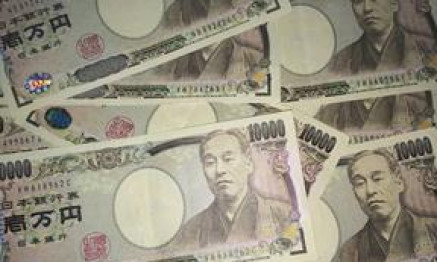
"Japan has slipped into a recession, leading to the loss of its position as the world's third-largest economy-a title now held by Germany. This shift comes as Japan's Gross Domestic Product (GDP) shrank at an annualized pace of 0.4% in the final quarter of 2023, as reported by the Cabinet Office.
Warning: Invalid argument supplied for foreach() in /websites/btimesonline.com/framework/source/box/economy-headline.php on line 9
The 0.8% decrease in consumer spending, adjusted for seasonal factors but not inflation, surpassed economists' predictions, who had anticipated a more modest decline of 0.3%. This downturn follows a revised gain of 0.4% in December, suggesting a potential shift in consumer behavior at the outset of the year.
"The United Kingdom's economy has officially entered a recession, marking a significant downturn and the weakest annual growth since the aftermath of the 2008 financial crisis, excluding the pandemic-impacted year of 2020.
U.S. inflation accelerated to its highest level in more than three years in May, adding fresh pressure on the Federal Reserve as policymakers confront persistent price growth, resilient labor-market conditions and rising geopolitical risks tied to the conflict with Iran.
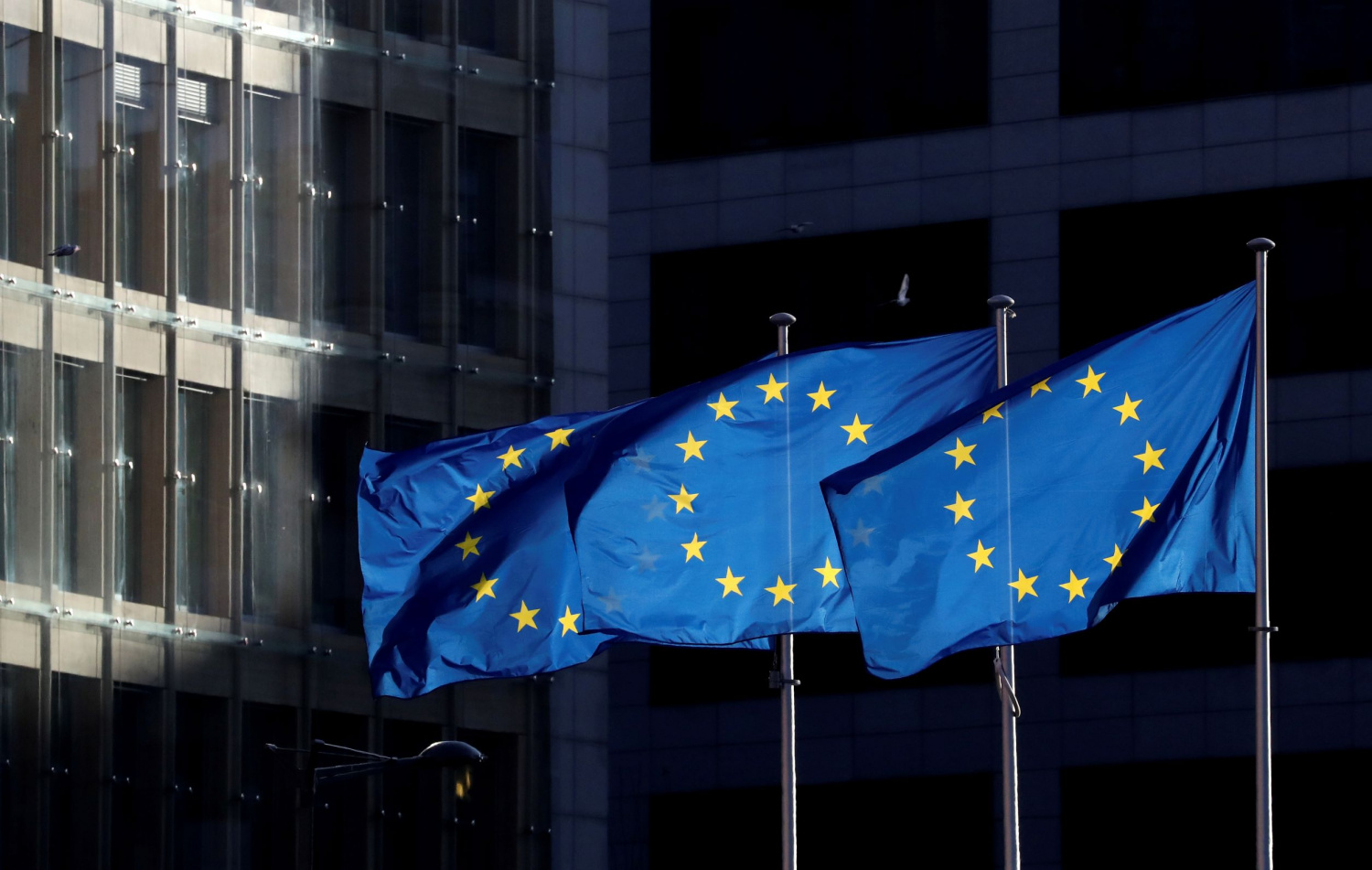
The eurozone economy unexpectedly contracted in the first quarter of the year, marking its first decline in 12 months and underscoring the growing economic pressures confronting Europe as inflation accelerates and the conflict involving Iran fuels a new energy shock.
The U.S. labor market delivered a fresh set of conflicting signals this week as new unemployment claims climbed to their highest level since February, even while private-sector hiring and job openings pointed to continued resilience across large parts of the economy.
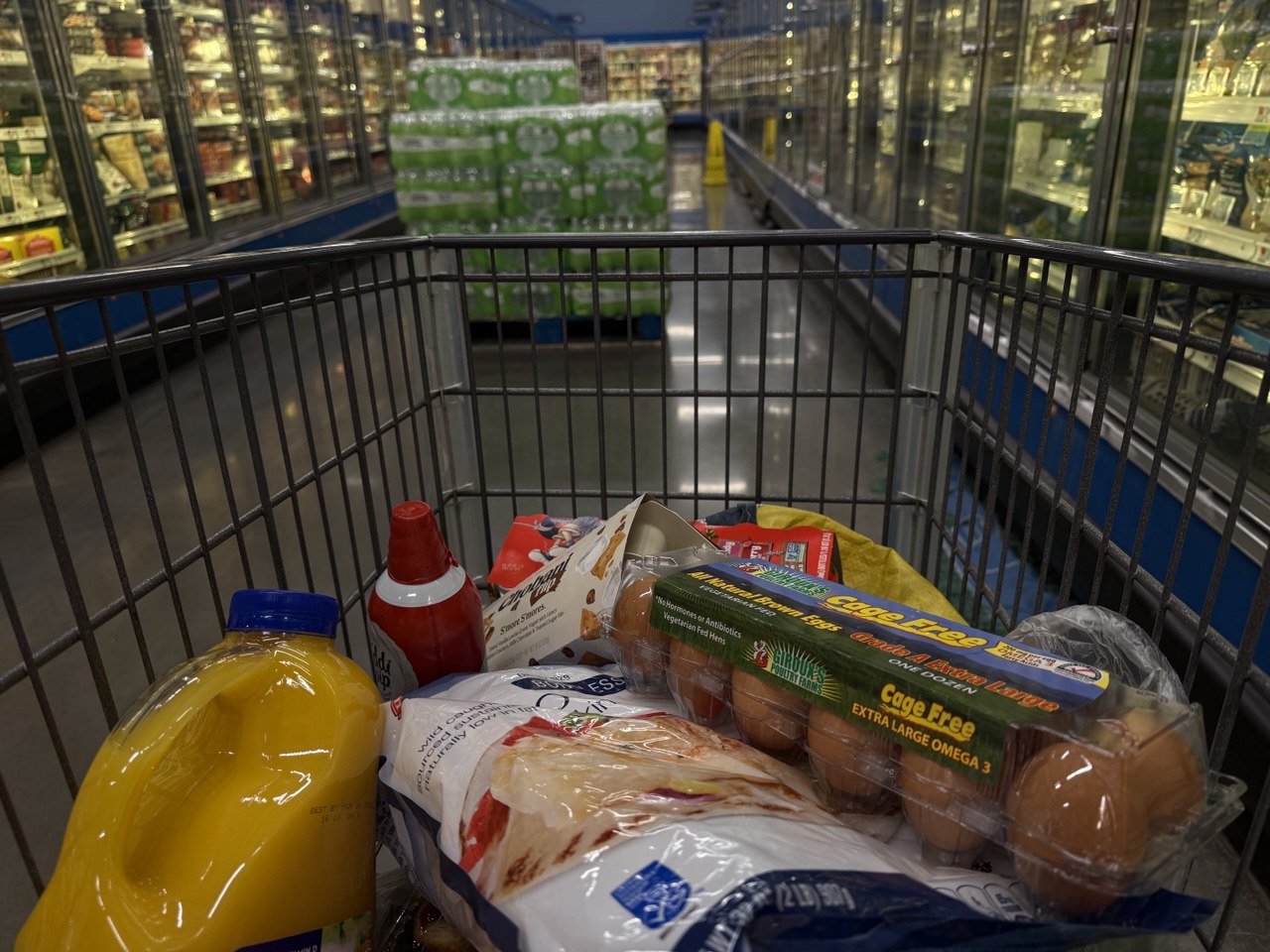
The Federal Reserve is warning that rising energy costs tied to the conflict involving Iran are spreading through the U.S. economy, increasing pressure on businesses and consumers as higher fuel prices begin filtering into grocery bills, shipping costs, packaging expenses, and other everyday purchases.
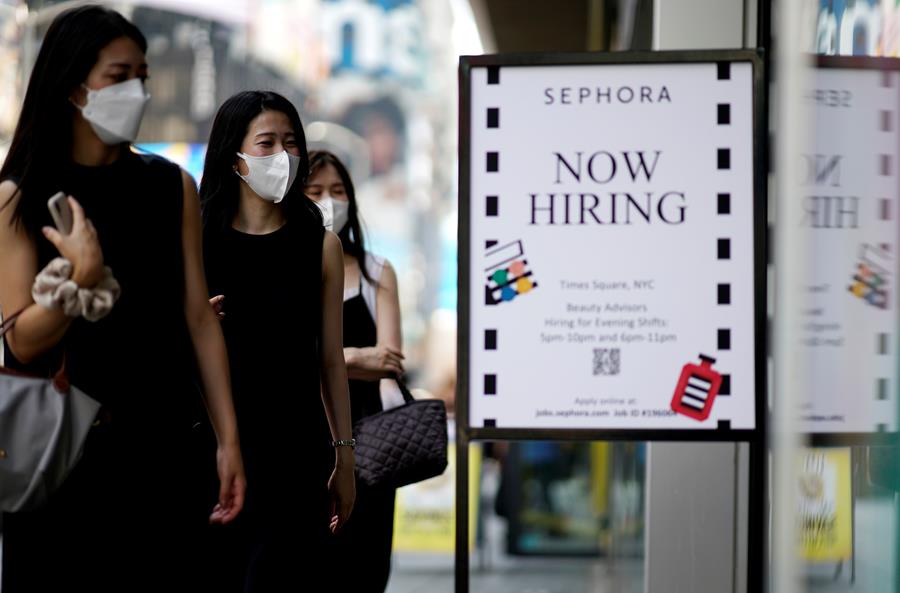
U.S. job openings climbed sharply in April to their highest level in nearly two years, offering fresh evidence that demand for workers remains resilient despite economic uncertainty, even as employers pulled back on actual hiring and workers showed little appetite for changing jobs.
South Korea surpassed the United States in cosmetics exports for the first time in 2025, as global demand for K-beauty products drove overseas sales to a record $11.4 billion, according to data released Saturday by South Korea's Ministry of Food and Drug Safety.
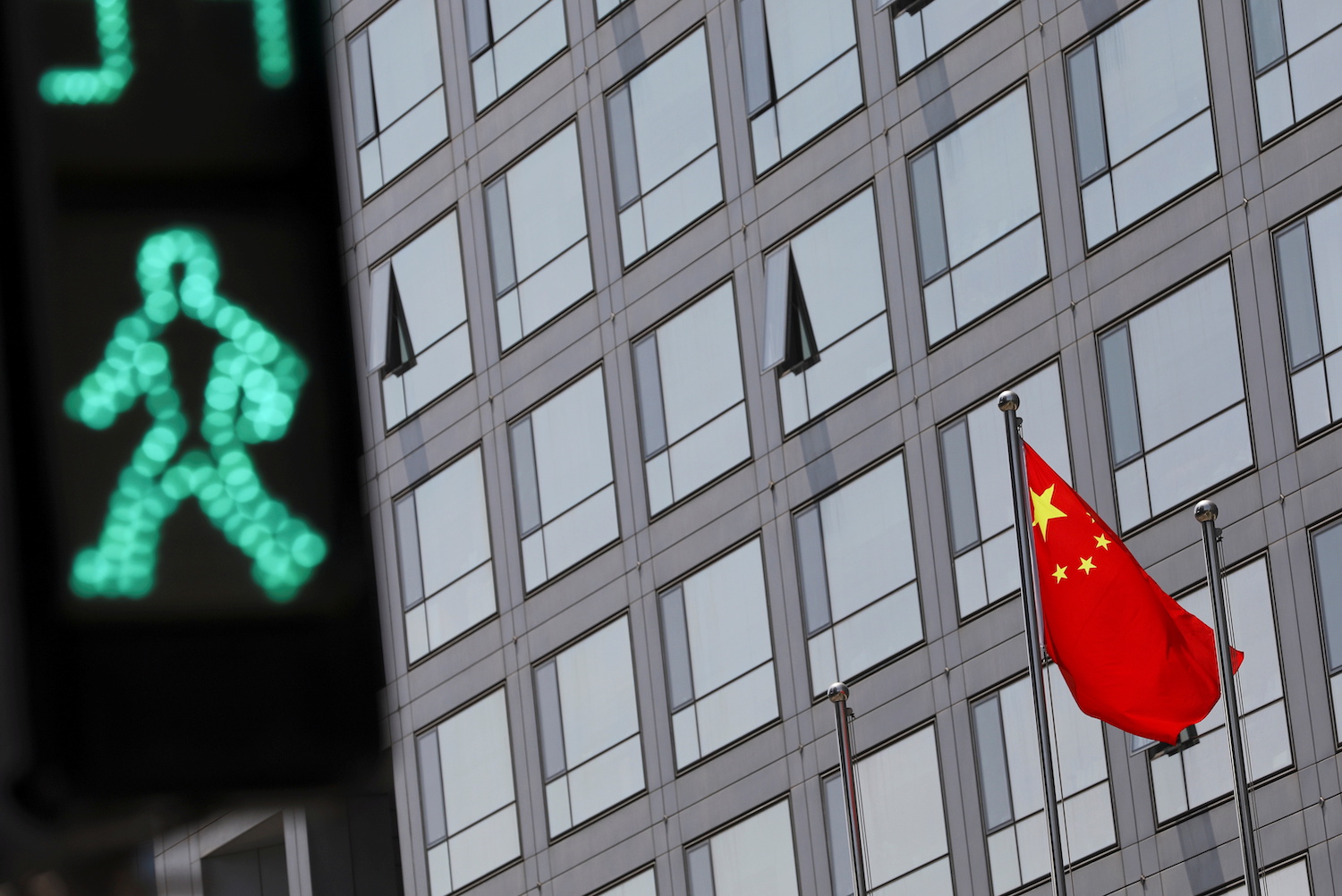
China's economy lost momentum sharply in April as retail sales posted their weakest growth since late 2022 and factory output slowed more than expected, adding pressure on Beijing as officials struggle to revive consumer confidence, stabilize the property sector and shield growth from rising global tensions.
The U.S. labor market unexpectedly lost 92,000 jobs last month, pushing the unemployment rate to 4.4% and intensifying concerns that rising energy prices and geopolitical tensions could further strain the economy.
Britain's fragile economic recovery is facing renewed pressure as rising oil prices tied to escalating tensions around Iran ripple through financial markets, complicating fiscal planning for Treasury Chancellor Rachel Reeves ahead of the next U.K. budget cycle.
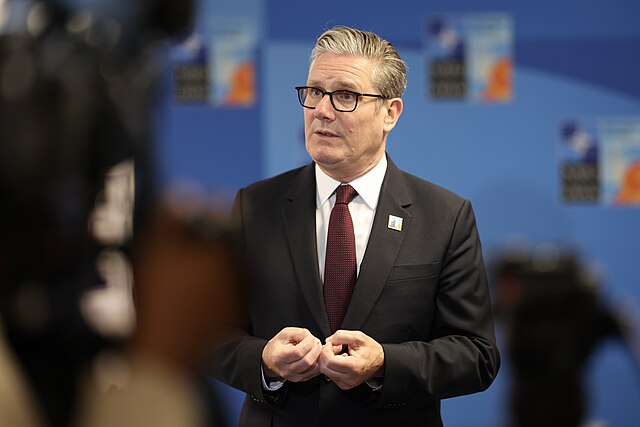
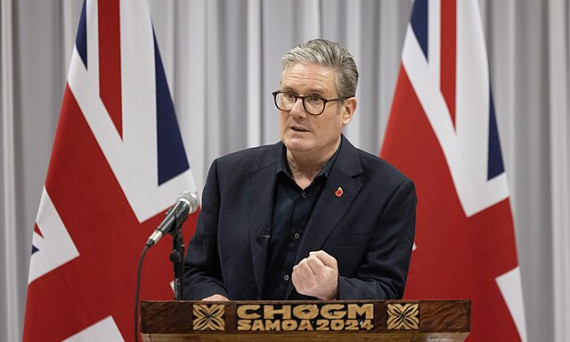
The U.K. economy expanded just 0.1% in the final quarter of 2025, undershooting expectations and intensifying scrutiny of Prime Minister Keir Starmer and Chancellor Rachel Reeves, whose £26 billion tax package was intended to stabilize public finances and restore investor confidence.